Bulk Steel Buying: How to Plan Quantities, Specifications and Delivery
Buying steel in bulk looks simple on paper. You work out how much you need, get a quote, and wait for the trucks. In reality, most of the trouble shows up much earlier, in a vague specification or a quantity nobody checked against the drawings.
This guide walks you through the whole process in plain terms. You will see how to calculate quantities, which specifications to lock down, how to plan the order, and how to avoid ending up with too much or too little steel on site.
How Do You Buy Steel in Bulk?
Bulk buying starts with the project, not with the price list. The clearer your requirement, the easier every later step becomes.
Here is the order that keeps things simple.
Start With the Project Requirement
Before you talk to anyone, write down what the project actually needs. That means the scope, the drawings, the codes you must follow, the site location, and the dates when steel has to arrive. Everything else is built on this page.
Define the Steel Products You Need
Next, name the products. Plates, pipes, bars, beams, and sheets all have different grades, sizes, and finishes, and even a single item such as an MS chequered plate comes in several thicknesses. List each product separately so nothing gets lumped together.
Convert the Requirement Into a Procurement List
Now turn the drawings into a buying list. Each line should carry the product, grade, size, quantity, finish, and delivery date. A supplier can quote against a list like this in one round, rather than five rounds of emails.
How to Calculate Steel Quantities for a Project
A good quantity calculation has two parts. First, you work out what the design needs. Then you work out what you should actually buy.
Let's go through the steps.
Start With a Material Take-Off
A material take-off is a line-by-line count of every steel item in the drawings. Do it from the latest approved set, and update it whenever the design changes.
Calculate Theoretical Steel Quantity
For plates, multiply length, width, thickness, and density, using about 7850 kg/m³ for carbon steel. A 2 m by 1 m plate that is 10 mm thick comes to roughly 157 kg. For reinforcement bars, a common shortcut is diameter squared divided by 162, which gives the weight in kg per metre.
Separate Required Quantity From Procurement Quantity
Required quantity is what the design needs, and procurement quantity is what you order. The gap between them covers standard lengths, cutting losses, and mill tolerances, so keep the two numbers in separate columns.
Avoid Using a Fixed Wastage Percentage for Every Steel Product
Wastage is not the same for a plate, a pipe, and a rebar. Plates depend on how well shapes fit on the sheet, while pipes and bars depend on how well your cut lengths fit the standard lengths, so set the allowance product by product.
What Steel Specifications Should You Check Before Ordering?
Two plates can look the same and behave very differently once they are in service. The specification is what tells them apart.
Check these five points on every line of your order.
Product Type and Form
State exactly what you want, such as hot-rolled plate, seamless pipe, TMT bar or an I-beam. The form decides how the steel is made, cut, and delivered.
Grade and Material Specification
The grade sets strength, weldability, and how the steel behaves under load. Name it in full on the order, not just "mild steel" or "stainless".
Governing Standard
Tell the supplier which standard applies, for example ASTM, EN or IS. Standards such as ASTM A6 set general delivery requirements, including permitted variations in dimensions and mass.
Dimensions and Tolerances
Give the nominal size and the tolerance you can accept. Mills roll within allowed limits, so actual weight and thickness can differ a little from the nominal figures.
Surface, Finish and Coating
Say whether you need black, pickled, painted, galvanized or polished steel. The finish affects corrosion life, welding and cost, so decide it before the order, not after delivery.
How to Plan a Bulk Steel Order
Once the list is ready, work backwards from the date steel is needed on site. Allow time for quotes, approval of material, production or stock allocation, testing, loading and transport. Split the order into lots tied to the construction sequence, so the foundation steel does not arrive with the roof steel. Ask for a delivery schedule in writing, confirm who handles unloading and storage, and keep one person responsible for tracking every shipment against the list.
How to Choose a Bulk Steel Supplier in the UAE
Price matters, but it should not be the first filter. Look at what the supplier can show you: stock range, material test certificates, the standards they work to and a record of delivering similar volumes on time. Ask how they handle cutting, packing and mixed loads, and check that their paperwork matches what your project or the local authorities require.
Communication matters as much as stock. At Alkun Steel, we start with your drawings and procurement list, and then confirm grades, standards and dates before we quote. As a chequered plate supplier in UAE and an exporter of pipe fittings and oilfield materials, we know a clear specification saves time for everyone, so we are happy to check your list before you commit to an order.
How to Avoid Over-Ordering or Under-Ordering Steel
Both mistakes cost money. Extra steel ties up cash and storage space, and a shortage can stop the work on site.
A few habits keep the numbers honest.
Keep a Controlled Quantity Register
Maintain one master sheet showing required, ordered, delivered and consumed quantities for every item. Keep a single owner for it, so there is only one version of the truth.
Reconcile Quantities Against Project Changes
Every design revision can shift your numbers. Compare each new drawing to the register before the next purchase order goes out.
Separate Stock From Project Requirement
Do not let leftover stock hide a real shortage. Track what you already hold as its own line, and allocate it to the project only after checking grade and size.
Use Phased Purchasing Where Appropriate
For long projects, buy the confirmed items first and place later orders as designs settle. This lowers the risk of holding steel that no longer fits the plan.
Common Bulk Steel Purchasing Mistakes
These are the errors that show up again and again on bulk orders.
Buying Based Only on Price Per Tonne
A low rate can hide a thinner tolerance, a different grade or poor documentation. Compare the full offer, not just the headline number.
Ordering Before the Specification Is Final
If the specification is still moving, the order will move with it. Wait for approved grades, sizes and standards, or place only the items that are certain.
Using the Wrong Grade or Standard
A grade that looks close is not always acceptable under the project code. Match the order to the governing standard in writing.
Calculating Quantity Without Reviewing Drawings
Copying numbers from an old estimate or a tender sheet invites errors. Always take quantities from the latest approved drawings.
Adding an Arbitrary Wastage Percentage
Adding the same extra percentage to every item either wastes money or leaves you short. Base the allowance on how each product is actually cut and used.
Conclusion
Smart bulk buying is mostly preparation. Know the project, define each product, calculate the required quantity, and then decide the procurement quantity with product-specific allowances. Lock the grade, standard, tolerance, and finish before the order, and keep a live register once steel starts arriving.
If you do this well, the supplier conversation becomes simple. You are sending a clear list, not guessing, and that cuts the chance of delays, rework, and surplus. Plan the delivery around your construction sequence, and your steel will turn up when the work needs it.
FAQs
1. How do you buy steel in bulk?
Define the project requirement, list products and specifications, calculate quantities, then request quotes against one clear procurement list.
2. How do you calculate steel quantities for a project?
Take quantities from the latest drawings through a material take-off, work out theoretical weight, then add product-specific allowances for the order.
3. What should I consider when buying steel in bulk?
Check grade, standard, tolerances, finish, documentation, delivery schedule and the supplier's ability to handle your volume.
4. How do I plan a bulk steel order?
Work backwards from the site date, split the order into lots by construction stage and confirm delivery and storage in writing.
5. What specifications should I check before ordering steel?
Check product form, grade, governing standard, dimensions with tolerances, and surface finish or coating.
6. How do I choose a bulk steel supplier in the UAE?
Compare stock range, test certificates, standards followed, delivery record and how clearly they handle your specification.
7. How far in advance should I order steel for a construction project?
Order once the specification is final, and allow extra lead time for mill orders compared with stock items, as confirmed by your supplier.
Related Articles

The Complete Buyer's Guide to Industrial Gratings: GI vs Stainless Steel vs Aluminium vs Ductile Iron
Read More
Chequered Plate Buying Guide: MS vs GI vs Stainless Steel Checker Plates Compared
Read More
C-Channel vs U-Channel: Sizes, Uses & How to Choose the Right Structural Steel Channel
Read More

Valves Used in District Cooling Systems: Types, Functions, and Selection Criteria
Read More
Threaded vs Socket Weld vs Butt Weld Fittings: Which Is Right for Your Project?
Read More
Carbon Steel vs Stainless Steel Pipes: Cost, Performance, and Application Comparison
Read More


How Fire Fighting Valves Ensure Safe and Efficient High-Pressure Water Systems
Read More




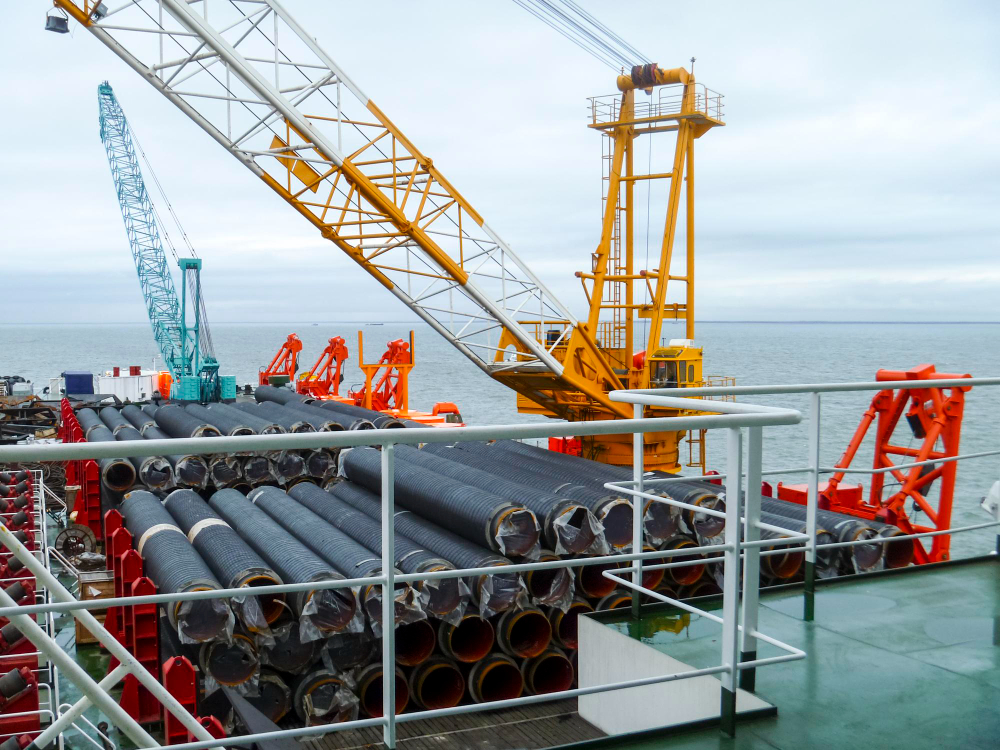
Stainless Steel Buttweld Fittings For Offshore Shipbuilding And Platform Piping
Read More
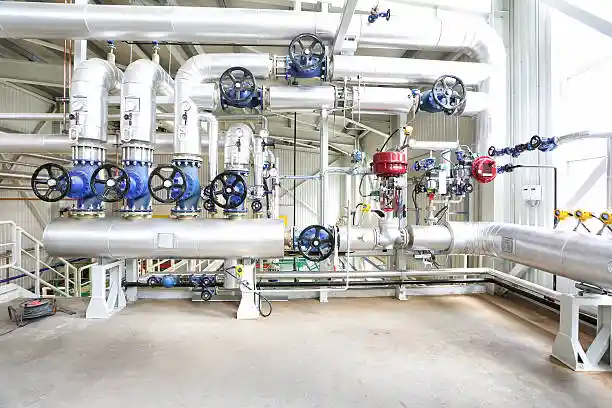
Industrial Valves, Hoses & Gaskets: Alkun Steel’s Solutions for the Tanks & Pumps Industry
Read More
Corrosion-Resistant Valves, Flanges & Joints: Alkun Steel’s Petrochemical Solutions
Read More

Why Alkun Steel Is A Reliable Supplier Of Essential Products In The Oil Drilling & Rig Industry
Read More


Reliable Industrial Components For Fire Fighting Applications: Alkun Steel’s Trusted Solutions
Read More
Why Alkun Steel Is A Reliable Supplier Of Essential Products In The Fabrication Industry
Read More

Industrial Valves, Hoses & Gaskets: Alkun Steel’s Solutions For Aviation Maintenance
Read More


Best Weld Neck, Slip-On, And Blind Flanges For Critical Oil & Gas Connections
Read More
Best Industrial Fasteners for Heavy Equipment Assembly and Structural Steel Projects
Read More