Chequered Plate Buying Guide: MS vs GI vs Stainless Steel Checker Plates Compared
Walk into any workshop, loading bay, or plant room, and you will probably step on an MS chequered plate without giving it a thought. That raised pattern is there for grip, and it quietly keeps people and equipment safe every single day.
The trouble starts when you have to buy one. MS, GI, or stainless, thin or thick, standard sheet or cut to size? This guide breaks down each choice in plain terms so you can order the right plate the first time.
What Is a Chequered Plate?
A chequered plate is a flat steel plate with a raised pattern on one face, usually diamonds or lines, rolled in during manufacturing. The back stays smooth. The pattern stops boots, wheels, and trolleys from slipping, especially when the surface turns wet or oily.
Under the pattern, it is ordinary plate, so the base material decides how it handles rust, load, and cost. ASTM International's A786 specification covers rolled steel floor plate used for flooring, stairways, transport equipment, and general structural work, up to 25 mm thick. That is why industrial chequered plate turns up on walkways, ramps, stair treads, mezzanines and vehicle beds.
MS vs GI vs Stainless Steel Chequered Plates: What's the Difference?
The three plates look almost the same. What separates them is what protects the steel from rust, and what that protection costs.
Here is how each one behaves once it is installed.
MS Chequered Plate
An MS chequered plate is made from mild steel, a low-carbon steel that is strong, easy to weld, and easy to cut. It is the most common choice and usually the cheapest. Bare mild steel will rust once moisture reaches it, so outdoors it needs paint or another coating.
GI Chequered Plate
A GI chequered plate is steel with a zinc coating that shields the base metal from moisture. Zinc corrodes far more slowly than steel, so a galvanized plate lasts much longer outside than bare MS. Cut edges and drilled holes are the weak spots, because the zinc layer is broken there and may need a touch-up.
Stainless Steel Chequered Plate
Stainless steel contains chromium, which forms a thin film on the surface that repairs itself when scratched. That is why it resists rust and cleans so easily. Grade matters, though. Grade 304 suits most general work, while 316 adds molybdenum for better resistance to salt and chlorides.
MS vs GI vs Stainless Steel Chequered Plate: Key Differences
| Feature | MS | GI | Stainless Steel |
| Base material | Mild/carbon steel | Galvanized steel | Stainless steel |
| Corrosion resistance | Low without protection | Higher due to zinc coating | Generally high, grade-dependent |
| Strength | Grade/thickness dependent | Base steel/thickness dependent | Grade/thickness dependent |
| Maintenance | Higher in corrosive exposure | Moderate | Generally lower, but environment/grade matter |
| Appearance | Industrial steel finish | Zinc-coated finish | Metallic stainless finish |
| Best suited to | General/indoor use | Outdoor/general industrial use | Corrosive, hygienic or demanding environments |
| Relative cost | Lower | Moderate | Higher |
Which Material Gives the Best Value?
The cheapest plate on the quote is rarely the cheapest plate over time. Price per tonne tells you what you pay on day one. It says nothing about repainting, downtime or replacement.
So look at four things together: the initial cost, the maintenance, the expected service life and the risk of having to replace it early. An MS plate in a dry indoor workshop can win on all four. The same plate on an open loading dock may need repainting every few years, and one harsh season can force a full swap.
According to the American Galvanizers Association, zinc coatings can protect steel for 50 to 75 years in many environments. The real figure depends on coating thickness and where the plate sits. Stainless costs the most upfront, but in places with heavy cleaning or severe corrosion, it often works out cheaper across the life of the job.
Chequered Plate Thickness and Sizes: What Should You Check?
Start with how thickness is quoted. Many suppliers state the base thickness, which is the plate without the raised pattern. The pattern adds extra height on top, commonly a millimetre or two, so always ask which figure is on the quote.
Thickness depends on the job. Plates are commonly made from about 2 mm up to 12 mm and beyond for heavy-duty, and ASTM A786 covers floor plate up to 25 mm. For chequered plate for flooring, match the thickness to the gap between supports and the loads that will cross it. A thicker plate over a wide span can still flex, while a thinner plate on a closely spaced frame can hold up well.
Sizes vary by mill and by material. Sheets are commonly supplied in widths such as 1250 mm and 1500 mm, with lengths like 2500 mm or 6000 mm. Confirm what is in stock before you design around a size, and ask about flatness and tolerances too.
How to Choose the Right Chequered Plate
Begin with where the plate will live, not with the price list. Is it indoors or outdoors? Will it meet water, salt, chemicals, or washdowns? Then think about the load. Foot traffic, trolleys and forklifts ask very different things from a plate.
Once you know the conditions, the chequered plate types narrow down quickly. Dry indoor areas suit MS, outdoor and general industrial areas suit GI, and corrosive or hygienic spaces suit stainless. For chequered plate for construction, such as site platforms, stair treads and walkways, painted MS is common, while exposed structures often lean towards GI. Settle thickness and size last, ideally with your engineer.
Which Chequered Plate Is Best for Different Applications?
No single plate wins everywhere. The best pick depends on moisture, chemicals, load and how long you want it to last.
Here is how that plays out in the situations you are most likely to face.
Best Choice for Indoor Industrial Flooring
MS is usually enough in a dry indoor setting. It is strong, easy to install, and the lowest in cost. If oil or regular washdowns are expected, add a coating, and choose a thicker plate for heavy vehicle traffic.
Best Choice for Outdoor Use
GI is the usual answer, because the zinc coating handles rain and humidity without constant upkeep. Painted MS can work too, but you will need to inspect and recoat it on a schedule.
Best Choice for Marine or Coastal Environments
Salt is hard on every steel. Stainless in grade 316 is the common pick because its molybdenum content resists chloride pitting better than 304. If budget rules that out, a galvanized plate with regular inspection is the fallback.
Best Choice for Hygienic Applications
Stainless steel is the go-to option for food, pharma, and wash-down areas. Its surface does not flake or rust, and it cleans easily. Grade 304 covers most cases, and 316 is better where strong cleaners or chlorides are involved.
Best Choice for General Fabrication
MS is the easy one to work with. It cuts, welds, bends, and paints without fuss. If you weld GI, plan for good ventilation and remove the zinc near the weld, because heating zinc releases harmful fumes.
What to Check Before Buying Chequered Plates
Before you place the order, run through this list. It takes a few minutes and can save you weeks.
Material and Grade
Confirm whether the plate is MS, GI or stainless, and the exact grade. Two plates can look identical and perform very differently.
Thickness and Load Requirement
Ask whether the quoted thickness includes the pattern. Then match it to the support spacing and the loads, and get an engineer to confirm for heavy traffic.
Size and Cutting
Check standard sheet sizes and whether cut to size is available. Getting plates cut to your drawing cuts waste and saves time in the workshop.
Corrosion Exposure
Tell your supplier about moisture, salt, chemicals and cleaning routines. For GI, ask about coating weight and how cut edges will be protected.
Pattern and Surface
Check the pattern style, since grip and cleaning ease differ between designs. Look at flatness and surface finish as well, especially for visible installations.
Certifications and Material Documentation
Ask for a mill test certificate that shows the grade and chemical makeup. Keep it with your project records in case anyone asks later.
Stock, Quantity and Delivery
Confirm what is in stock, the minimum order and the lead time. Order the full quantity together, because separate batches can differ slightly in finish.
Common Chequered Plate Buying Mistakes
Most problems come from a handful of repeat errors. Here are the ones we see most often.
Choosing the Cheapest Material Without Considering Service Conditions
A low price on bare MS can get expensive fast when it rusts on a damp site. Match the material to the exposure first, then compare prices.
Choosing Thickness Without Considering Load and Support
A thick plate over a wide span can still flex. A thinner plate on a closely spaced frame can hold well, so always look at both together.
Assuming All Chequered Plates Have the Same Corrosion Resistance
MS, GI and stainless are nowhere near equal outdoors. Even within stainless, grades 304 and 316 behave differently around salt.
Not Confirming the Material Grade
A plate described only as "stainless" or "MS" leaves too much open. Ask for the grade in writing and back it up with a test certificate.
Confusing Base Thickness With Pattern Height
A 6 mm plate can measure more once the pattern is included. Ask what the figure covers before you compare quotes.
Conclusion
The right chequered plate comes down to three things: where it sits, what it carries and how long you want it to last. MS keeps costs low indoors, GI handles outdoor exposure, and stainless earns its price in corrosive or hygienic spaces. Get the material, grade and thickness right, and the plate will quietly do its job for years.
At Alkun Steel, we help buyers sort through exactly these choices every day. As a chequered plate supplier in the UAE, we can walk you through grades, thicknesses, and sizes, share material documentation, and match the plate to your site conditions. Send us your requirement, and we will help you pick what fits.
FAQs
1. What is an MS chequered plate?
An MS chequered plate is a mild steel plate with a raised pattern on one side that gives grip and prevents slipping.
2. What is MS chequered plate used for?
It is used for industrial floors, walkways, ramps, stair treads, platforms and vehicle beds.
3. What is the difference between MS and GI chequered plates?
MS is plain mild steel, while GI has a zinc coating that protects it against rust.
4. What is the difference between MS and stainless steel checker plate?
MS is cheaper but rusts without protection, while stainless resists corrosion and costs more.
5. Is stainless steel chequered plate better than MS?
It is better in wet, corrosive or hygienic areas, but MS is the smarter buy for dry indoor use.
6. Which chequered plate is best for outdoor use?
GI is the usual choice for outdoors, and 316 stainless suits coastal sites.
7. Which chequered plate is best for industrial flooring?
MS works well for most dry industrial floors, with thickness matched to the load and support spacing.
Related Articles

The Complete Buyer's Guide to Industrial Gratings: GI vs Stainless Steel vs Aluminium vs Ductile Iron
Read More

C-Channel vs U-Channel: Sizes, Uses & How to Choose the Right Structural Steel Channel
Read More

Valves Used in District Cooling Systems: Types, Functions, and Selection Criteria
Read More
Threaded vs Socket Weld vs Butt Weld Fittings: Which Is Right for Your Project?
Read More
Carbon Steel vs Stainless Steel Pipes: Cost, Performance, and Application Comparison
Read More


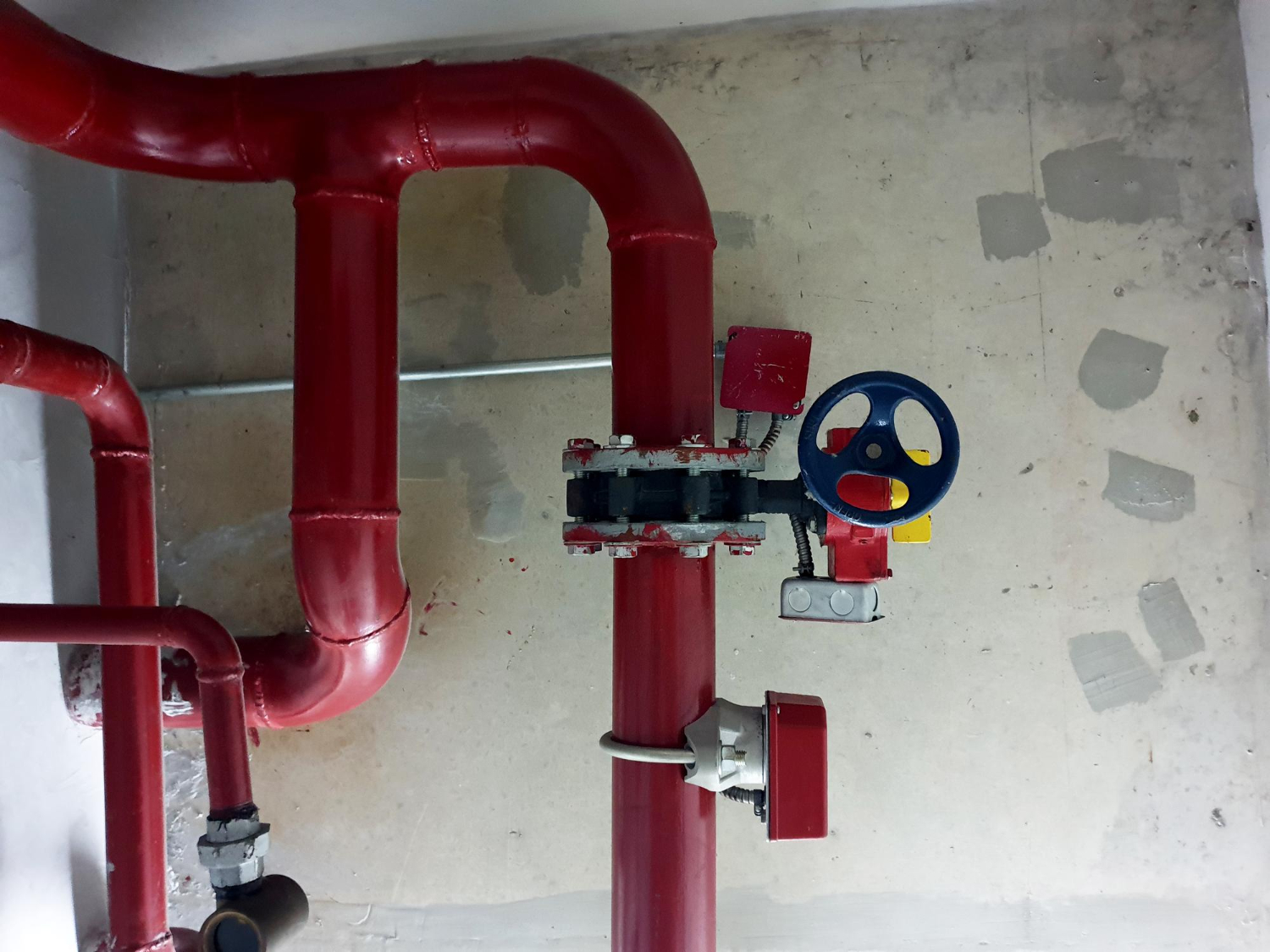
How Fire Fighting Valves Ensure Safe and Efficient High-Pressure Water Systems
Read More



Stainless Steel Buttweld Fittings For Offshore Shipbuilding And Platform Piping
Read More
Industrial Valves, Hoses & Gaskets: Alkun Steel’s Solutions for the Tanks & Pumps Industry
Read More
Corrosion-Resistant Valves, Flanges & Joints: Alkun Steel’s Petrochemical Solutions
Read More
Why Alkun Steel Is A Reliable Supplier Of Essential Products In The Oil Drilling & Rig Industry
Read More


Reliable Industrial Components For Fire Fighting Applications: Alkun Steel’s Trusted Solutions
Read More
Why Alkun Steel Is A Reliable Supplier Of Essential Products In The Fabrication Industry
Read More

Industrial Valves, Hoses & Gaskets: Alkun Steel’s Solutions For Aviation Maintenance
Read More

Best Weld Neck, Slip-On, And Blind Flanges For Critical Oil & Gas Connections
Read More
Best Industrial Fasteners for Heavy Equipment Assembly and Structural Steel Projects
Read More