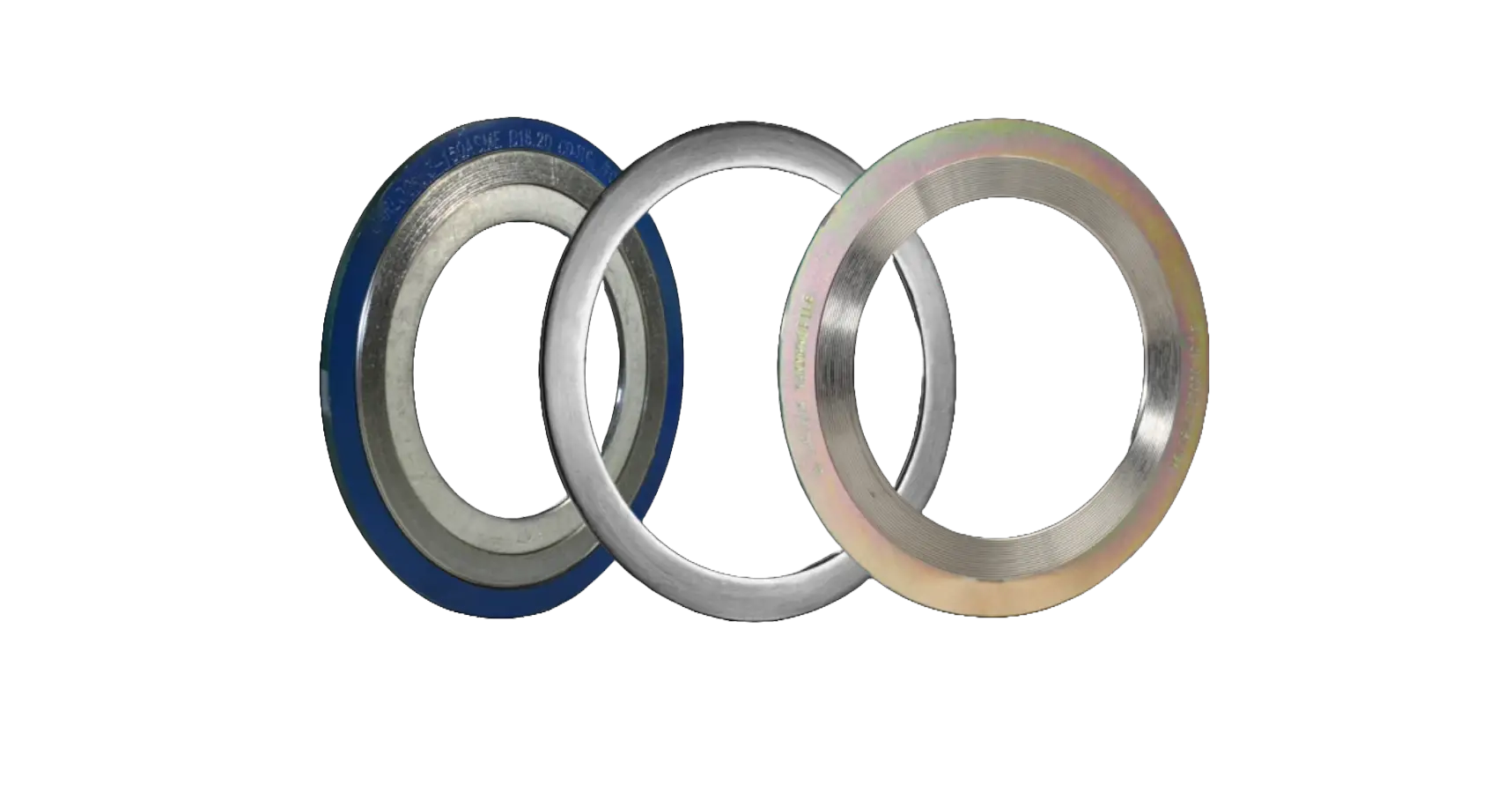
Gasket Selection Guide for Steam, Water, Oil, and Chemical Applications
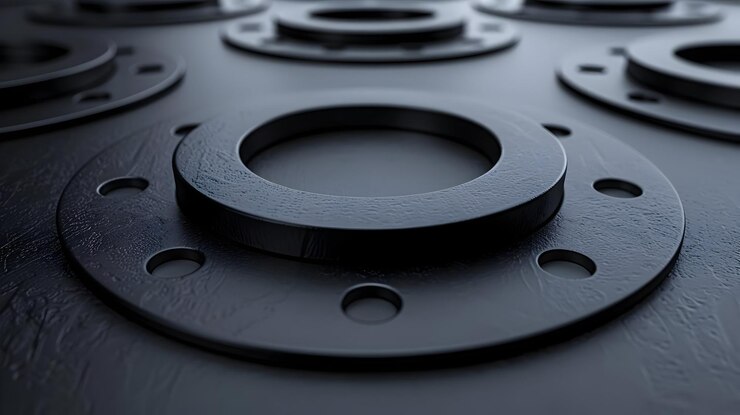
A gasket is a small, cheap part that has a big say in whether a flanged joint holds or leaks. Get it right and you will not think about it for years. Get it wrong and you are looking at lost product, unplanned shutdowns and a maintenance crew back at the same flange. This gasket selection guide is here to help you avoid that.
There is no single gasket that works everywhere. Steam, water, oil and chemicals each push a gasket in a different way, and the best option for one can fail quickly in another. Below, we go through each service, look at the materials that suit it, and point out the mistakes that cause most early failures.
How to Choose the Right Industrial Gasket
Good industrial gasket selection starts with the joint, not the catalog. Before you look at materials, you need to know the fluid, the temperature, the pressure, the flange type and the load your bolts can put on the gasket. Miss any one of these and the shortlist can lead you in the wrong direction.
From there, gasket material selection becomes a process of elimination. Rule out anything that cannot handle the fluid, then anything that cannot take the heat or pressure, and then pick from what is left based on the flange and the cost. It sounds simple, and it is, as long as you work through it in order.
Gasket Selection for Steam Applications
What Makes Steam Service Different?
Steam is harder on a gasket than most people expect. Gasket selection for steam applications has to account for high temperatures, pressure swings and the constant heating and cooling that comes with start-ups and shutdowns. Condensate adds another layer, because a joint that sees both hot steam and cooler water goes through repeated stress. Soft materials can lose their grip over time, which is why steam lines often call for something with more springback and strength.
Common Gasket Options for Steam
Steam service has a short list of proven materials, and each one fits a different level of severity.
Here are the options you will see most often:
- Graphite: Flexible graphite handles high temperatures very well. It does best where there are no strong oxidizing agents present.
- Spiral Wound With Graphite Filler: This is a common choice for flanged steam lines. The metal winding gives strength while the graphite filler does the sealing.
- Compressed Fibre/CNAF: It suits moderate steam conditions at a lower cost. Performance depends on the grade, so check the limits before you commit.
- Metallic/Kammprofile Constructions: These are built for severe duty with high pressure and temperature. They need a good flange surface and enough bolt load to seat properly.
How to Select the Right Steam Gasket
Run through these checks and the right steam gasket usually becomes clear.
- Temperature: Look at the actual operating temperature, not just the normal one. Include upset conditions as well.
- Pressure: Match the gasket to the highest pressure the line will see. A gasket that is fine at low pressure can blow out under load.
- Cycling: Think about how often the line heats up and cools down. Frequent cycling needs a gasket that recovers well.
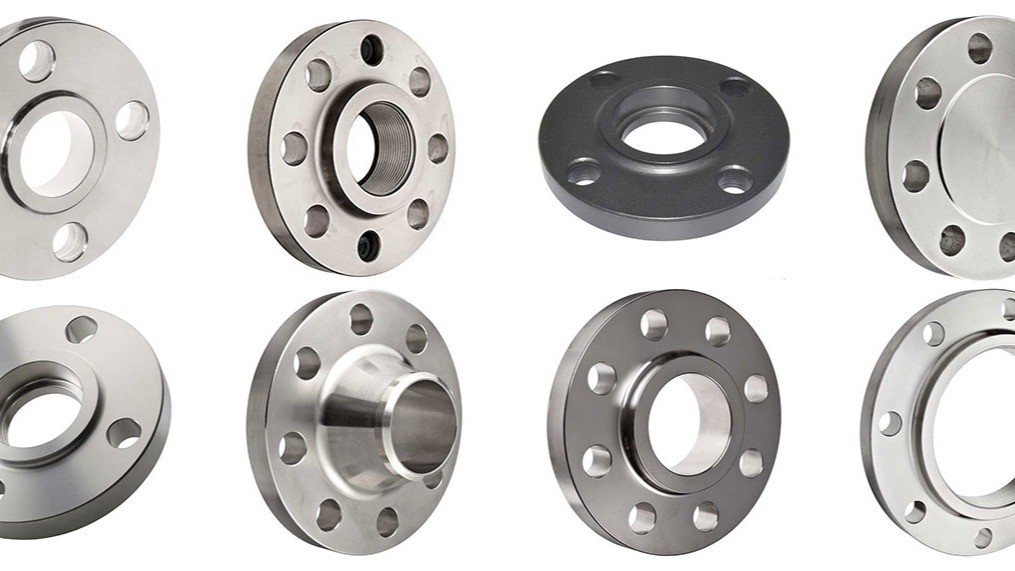
- Flange type: Check the facing, the class and the surface finish. Some gaskets only work on certain flange designs.
- Bolt load: Make sure your bolts can seat the gasket properly. Too little load leaks, and too much can crush it.
- Manufacturer P-T data: Always check the pressure and temperature chart for the exact product. Generic ratings can be misleading.
Common Steam Gasket Selection Mistakes
Most steam gasket failures trace back to a handful of avoidable errors. They show up again and again on plant walk-downs. Keep an eye out for these:
- Treating EPDM as universally suitable for steam
- Using generic maximum-temperature numbers
- Ignoring thermal cycling
- Selecting soft sheet for a high-severity joint
Gasket Selection for Water Applications
What to Check Before Selecting a Water Gasket
Water looks easy, but it is not always plain water. Gasket selection for water applications depends on whether you are handling cold potable water, hot water, treated water, seawater or wastewater, because each one can attack gasket materials differently. Chemicals such as chlorine can shorten the life of some rubbers. If the water is for drinking, you also need a gasket with the right approvals.
Common Gasket Options
Water service is more forgiving than steam, so the choices are simpler.
These are the materials you will run into most:
- EPDM: This rubber is a favorite for water because it resists heat, weather and aging well. It does not suit petroleum oils, so keep it away from any line with hydrocarbons.
- Compressed Fibre/CNAF: It works for a wide range of water duties at moderate conditions. It is also easy to cut and fit.
- PTFE/ePTFE: These are good when the water carries chemicals or needs a very clean seal. They cost more but hold up well in tougher conditions.
Water Gasket Selection Checklist
Before you order, go through this list.
- Temperature: Cold water and hot water call for different materials. Check the highest temperature the line will reach.
- Pressure: Confirm the working pressure and any surge or test pressure. Water hammer can put a lot of stress on a joint.
- Water chemistry: Look at chlorine, pH, salts and any treatment chemicals in the water. These can wear down some materials faster than you would think.
- Flange configuration: Check the flange type, size and facing. A gasket that does not suit the flange will not seal well.
- Regulatory/certification requirements: Drinking water lines need approved materials. Confirm the certification before you buy.
Gasket Selection for Oil and Hydrocarbon Applications
Why Oil Service Requires Material-Specific Selection
Oil is not one fluid, and that is what makes gasket selection for oil applications tricky. Crude, diesel, lubricating oil and fuel can all behave differently with the same material. Some rubbers swell, soften or crack when they meet the wrong hydrocarbon. Temperature and additives push things further, so the gasket needs to be chosen for the exact fluid, not just the word oil.
Common Gasket Options
A few materials cover most oil and hydrocarbon work.
Here is where each one fits:
- NBR: Nitrile rubber is a common pick for oils and fuels. It does well at moderate temperatures and falls short when the heat climbs.
- FKM/HNBR: FKM handles higher temperatures and a wider range of hydrocarbons. HNBR gives better heat and aging resistance than standard nitrile.
- Graphite and Spiral Wound Constructions: These are the go-to for high temperature and high pressure service. They also cope well with thermal cycling.
Oil Gasket Selection Checklist
This checklist keeps you from picking the wrong material.
- Exact oil/fluid: Name the specific product, not just the category. A gasket that suits one oil may fail in another.
- Temperature: Check the normal and peak operating temperatures. Heat is one of the main reasons rubber gaskets fail.
- Pressure: Match the gasket to the highest pressure in the line. Higher pressure usually points toward spiral wound or metallic types.
- Chemical additives: Look at what is mixed into the fluid. Some additives can attack gasket materials.
- Thermal cycling: Think about how often the line heats and cools. Repeated cycles can loosen a joint over time.
- Fire/emissions requirements where applicable: Some sites need fire-safe or low-emission gaskets. Confirm this before you finalize the choice.
Common Oil-Service Mistakes
Oil gasket problems usually come from assumptions rather than bad products. A quick check at the start can save a lot of rework later. Watch out for these:
- Using EPDM with petroleum oils
- Choosing NBR purely because the service is "oil"
- Ignoring temperature
- Treating all hydrocarbons as equivalent
Gasket Selection for Chemical Applications
Why "Chemical Resistant" Is Not a Sufficient Specification
Saying a gasket is chemical resistant tells you almost nothing. Gasket selection for chemical applications depends on the exact chemical, its concentration, the temperature, and how long the gasket will be exposed. A material that handles a weak acid at room temperature may fail quickly in a stronger mix at higher heat. Even a small change in conditions can turn a good choice into a poor one, so the specification needs to be specific.
Common Gasket Options
Chemical service has a small group of go-to materials.
Here are the main ones:
- PTFE and Expanded PTFE: These resist almost all chemicals. Pure PTFE can creep under load, while expanded PTFE conforms better and holds its seal.
- Graphite: It handles a wide range of chemicals and very high temperatures. It is not suited to strong oxidizing media.
- Composite and Semi-Metallic Gaskets: These combine a metal element with a soft filler. You get strength for pressure and a filler picked for the chemical.
How to Verify Chemical Compatibility
Start with the manufacturer's chemical compatibility chart, and check the exact chemical, concentration and temperature against it. Then look at everything else the gasket might touch, including cleaning fluids, flushing agents and any upset conditions that could push the process outside its normal range. If the service is critical or the chemical is unusual, ask the manufacturer for written confirmation or test a sample before you commit. A few minutes of checking at this stage costs far less than a leak on the line.
Industrial Gasket Materials Compared
| Material / Construction | Steam | Water | Oil | Chemicals | Main Strength | Main Limitation |
| EPDM | Good in suitable conditions | Excellent | Poor for petroleum oils | Application-dependent | Water resistance | Hydrocarbon incompatibility |
| NBR | Limited at elevated steam temperatures | Good in selected applications | Good | Limited/application-specific | Oil resistance | Heat/chemical limitations |
| PTFE | Application-dependent | Excellent chemical resistance | Good | Excellent | Chemical resistance | Creep/cold flow |
| ePTFE | Application-dependent | Excellent | Good | Excellent | Conformability + chemical resistance | Cost/mechanical considerations |
| Graphite | Excellent in suitable service | Good | Good | Broad, but not universal | High-temperature performance | Oxidising-media limitations |
| CNAF | Good in suitable conditions | Good | Good | Moderate/application-specific | Versatility and cost | Grade-dependent limits |
| Spiral wound | Excellent for suitable designs | Application-dependent | Excellent in demanding service | Excellent with correct filler | Pressure/temperature/cycling | Requires correct construction and installation |
| Metallic/RTJ | High-severity service | Application-specific | High-pressure service | Alloy-dependent | High pressure/temperature | Requires compatible flange/joint design |
How to Choose an Industrial Gasket Supplier
The gasket is only as good as the information that comes with it. Look for a source that can give you material certificates, test data, and clear pressure and temperature limits for each product. It also helps if they know the standards your flanges follow, such as ASME B16.20, B16.21 or EN 1514, so the gasket and flange are a proper match.
Range and support matter too. You want someone who can offer more than one material or construction, so the recommendation fits your joint instead of whatever happens to be in stock. At Alkun Steel, we supply gaskets alongside pipe fittings and oilfield materials, and as an industrial gasket supplier, we are happy to talk through your service conditions before you place an order.
Conclusion
Picking a gasket comes down to knowing your service. Steam needs heat and cycling strength, water needs the right rubber and approvals, oil needs material matched to the exact fluid, and chemicals need proof of compatibility rather than a general claim. If you keep those points in mind, the rest of the gasket selection guide falls into place.
Take your time at the selection stage, because that is where most gasket problems begin. Check the data, confirm the flange and bolt load, and ask questions when the service is unusual. A little care now means fewer leaks, less downtime and a joint you can leave alone.
FAQs
1. Which gasket is best for steam applications?
Graphite and graphite-filled spiral wound gaskets are the usual choices for demanding steam service.
2. What gasket material is best for chemicals?
PTFE and expanded PTFE suit most chemicals, but always confirm against the exact chemical, concentration and temperature.
3. How do I choose a gasket for water systems?
Check the temperature, pressure, water chemistry, flange type and any required certifications, then pick a material like EPDM, CNAF or PTFE to match.
4. What gasket is suitable for oil applications?
NBR, FKM, HNBR, graphite and spiral wound gaskets are common, depending on the fluid, temperature and pressure.
5. Can the same gasket be used for oil and chemical applications?
Not always, because each service attacks materials differently, so check compatibility for both.
6. Does gasket temperature rating determine suitability?
No, temperature is only one factor, and pressure, media, flange type and bolt load all matter too.
7. Does flange type affect gasket selection?
Yes, the facing, class and surface finish decide which gasket designs will seal properly.
Related Articles

The Complete Buyer's Guide to Industrial Gratings: GI vs Stainless Steel vs Aluminium vs Ductile Iron
Read More

Chequered Plate Buying Guide: MS vs GI vs Stainless Steel Checker Plates Compared
Read More
C-Channel vs U-Channel: Sizes, Uses & How to Choose the Right Structural Steel Channel
Read More

Valves Used in District Cooling Systems: Types, Functions, and Selection Criteria
Read More
Threaded vs Socket Weld vs Butt Weld Fittings: Which Is Right for Your Project?
Read More
Carbon Steel vs Stainless Steel Pipes: Cost, Performance, and Application Comparison
Read More


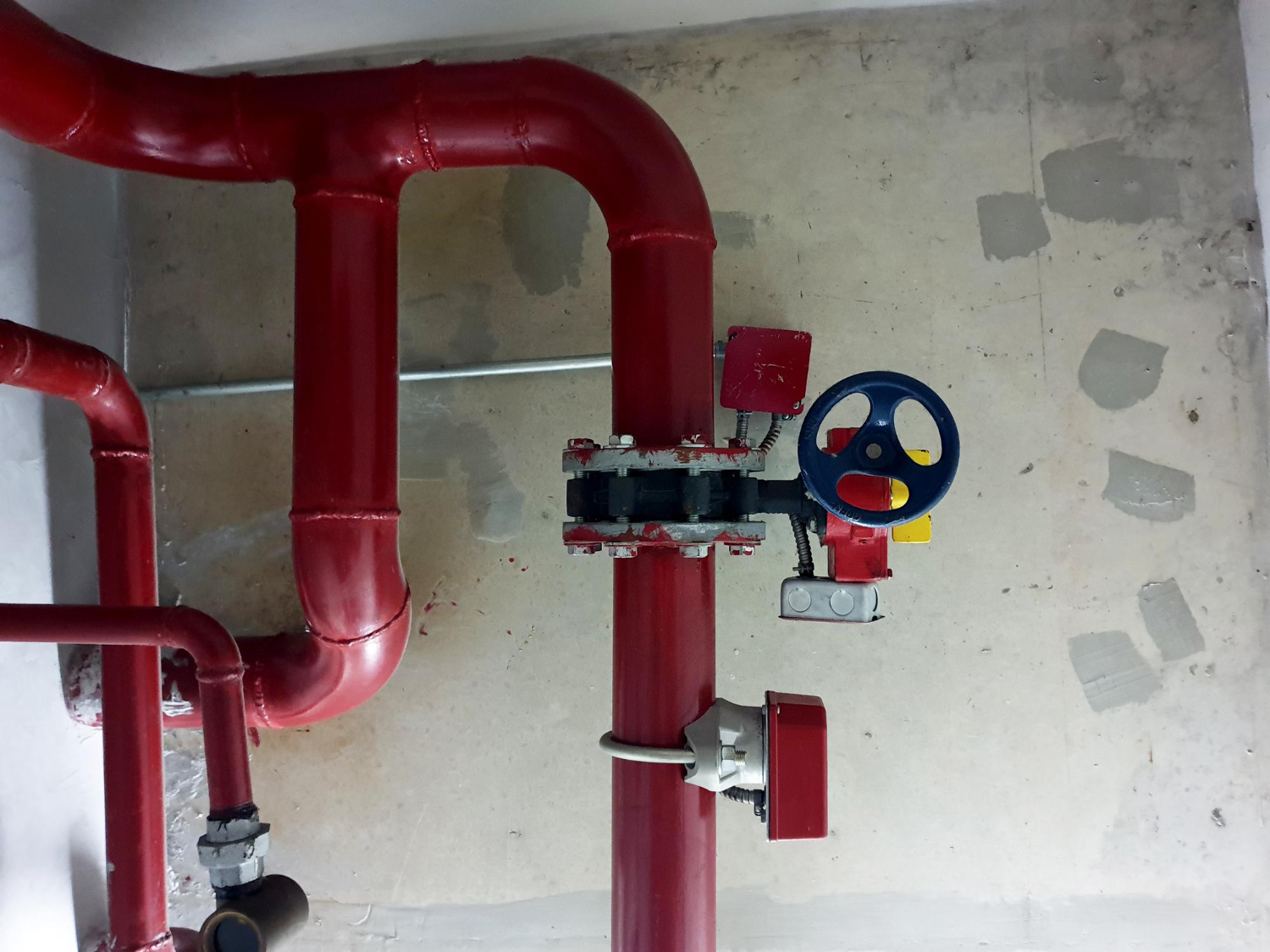
How Fire Fighting Valves Ensure Safe and Efficient High-Pressure Water Systems
Read More




Stainless Steel Buttweld Fittings For Offshore Shipbuilding And Platform Piping
Read More
Industrial Valves, Hoses & Gaskets: Alkun Steel’s Solutions for the Tanks & Pumps Industry
Read More
Corrosion-Resistant Valves, Flanges & Joints: Alkun Steel’s Petrochemical Solutions
Read More

Why Alkun Steel Is A Reliable Supplier Of Essential Products In The Oil Drilling & Rig Industry
Read More


Reliable Industrial Components For Fire Fighting Applications: Alkun Steel’s Trusted Solutions
Read More
Why Alkun Steel Is A Reliable Supplier Of Essential Products In The Fabrication Industry
Read More

Industrial Valves, Hoses & Gaskets: Alkun Steel’s Solutions For Aviation Maintenance
Read More

Best Weld Neck, Slip-On, And Blind Flanges For Critical Oil & Gas Connections
Read More
Best Industrial Fasteners for Heavy Equipment Assembly and Structural Steel Projects
Read More